My apologies for my continued fascination with fire right now…but maybe it’s just because, HEY! THE WORLD IS BURNING! WE MIGHT NEED TO DO SOMETHING ABOUT THAT!
I’ve been a little at loose ends here recently. I finished a project (well, sort of, it was my fanfiction), and I’m experiencing what a friend calls “post publication blues” (thanks for that, Tracie!). It’s a real thing, I think, when you are writing so hard on a project (I finished 58,000+ words in less than 30 days), and suddenly it’s done. And you want to go on to the next project but suddenly…your creative fire is burning low…
So I’ve turned to poetry until I can get myself geared up for one of my next projects (one of which was actually inspired by my fanfiction journey and is definitely quite different from anything I’ve ever attempted before).
Seriously. What does make a haiku good? I know it when I read it. I know it when I write it. I’m still trying to get to the point where I feel I can do it consistently, though. Here’s an idea:
I’ve been studying haiku and how to write it, what it’s supposed to mean. It’s interesting. Haiku used to seem like an incredibly easy format to me. It doesn’t have to rhyme. It’s just a certain number of syllables and lines. Turns out that’s not really all haiku is.
By reading some original Japanese haiku from Matsuo Basho, I’ve learned that there’s more to haiku than just counting syllables and lines. It’s more about the feeling you are left with at the end of the poem. So haiku isn’t so much about what’s there as what’s left. If that makes any sense.
Anyway, here are thirteen haiku I’ve written over the course of the last few days. I’d love to know if you have a favorite. Do any of them leave you with anything?
Oprah Winfrey is quoted as saying, “Reading is a way for me to expand my mind, open my eyes and fill up my heart.” That is indeed what reading is for many today. But it’s also a privilege and a right that human beings of all races had to fight for.
Before the invention of the printing press, only the upper classes had books to read. They were just too expensive for the common folk. Too busy surviving plague and poverty, many of these people never learned to read. Bibles, especially, were kept to the clergy and the church, mainly because they were the only ones who could read it in its original Latin. God forbid that the lower classes read it for themselves and start thinking and interpreting religion for themselves.
But then came the English translation of the Bible—which was banned for that very reason. It was smuggled into English hands by determined bibliophiles, but William Tyndale, the translator who lived in exile in Europe in order to complete his life’s work, was executed.
Of course slaves were not allowed to learn to read. Not only were there no schools for them, it was against the law to teach them in most slave states. But learning finds a way. Some slave owners allowed their slaves to learn to read as part of Christian education, and some educators found interesting ways around the laws, including a floating school on the Mississippi River.
My point here is that all cultures and races have fought at some point for the right to read and write, and in an era such as the one Americans are going through right now, we need to preserve every last bit of that right. Our president threatens social media and the press, bookstores in Minnesota are battered by protestors and looters, and all of this is happening against a backdrop where independent bookstores and small presses are struggling for survival anyway.
So my plea is this: Don’t be part of the forces that would oppress you and take the light of knowledge away. Don’t burn the bookstore your ancestors fought for.
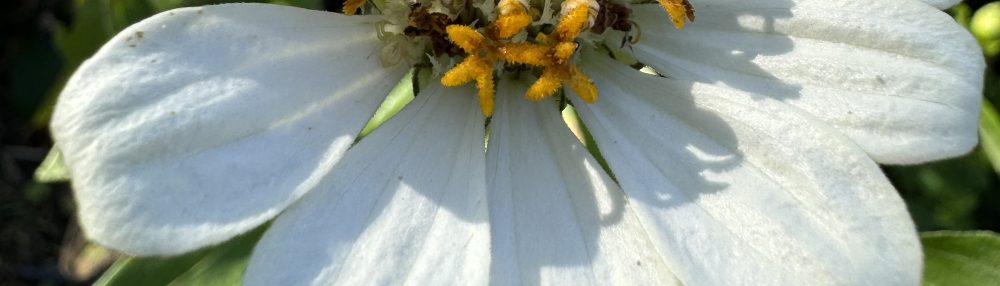
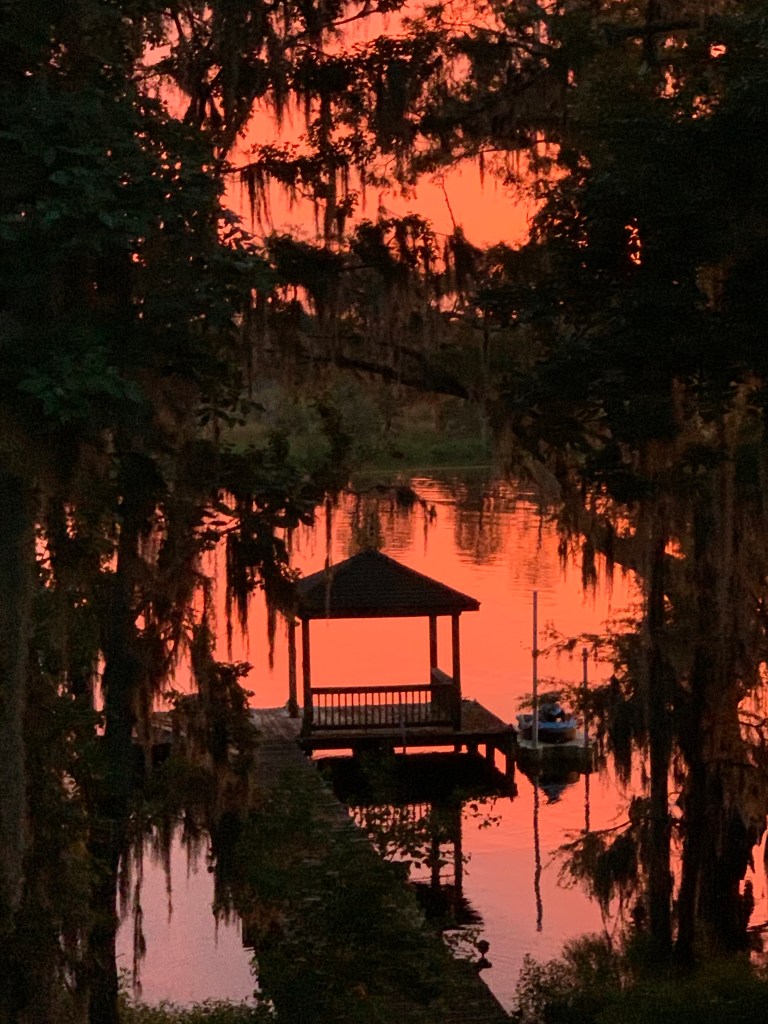
Photo by Michelle Garren Flye
Today’s anti-information, non-factual age is a dangerous one for local bookstores, the media and science. In the end, it is up to us to make certain our heritage and ways of life are preserved. Protect what generations of every culture have fought for. Keep our bookstores open.