
I was born at the beginning of the 1970s in the mountains of North Carolina. Maybe it was the altitude of my little town (3,000+ above sea level), but the end of Jim Crow Laws didn’t seem to mean much there when I was young.
And really, I was too young to be aware of much, but I remember hearing my parents whispering about burning crosses and nooses. For some reason, the streetlight on the corner near my house marked an area of our neighborhood I wasn’t allowed in. An area of people whose skin was darker than mine but who lived the same way I did.
Mostly we used the “polite” word. Colored. But as my brothers and I got older, we rode bikes and climbed trees and played stickball games until well after dark with any color child that showed up, regardless of which side of the neighborhood they were on. The streetlight on the corner shone equally on us all.
I never really understood any of what was happening around me or what I heard until much later. I didn’t know what racism was or that some of the people I knew were racists. Even some of the people I loved.
And it wasn’t until recently that I realized I would be banishing vestiges of that same racism that I was born and bred with for the rest of my life.
It’s a journey.
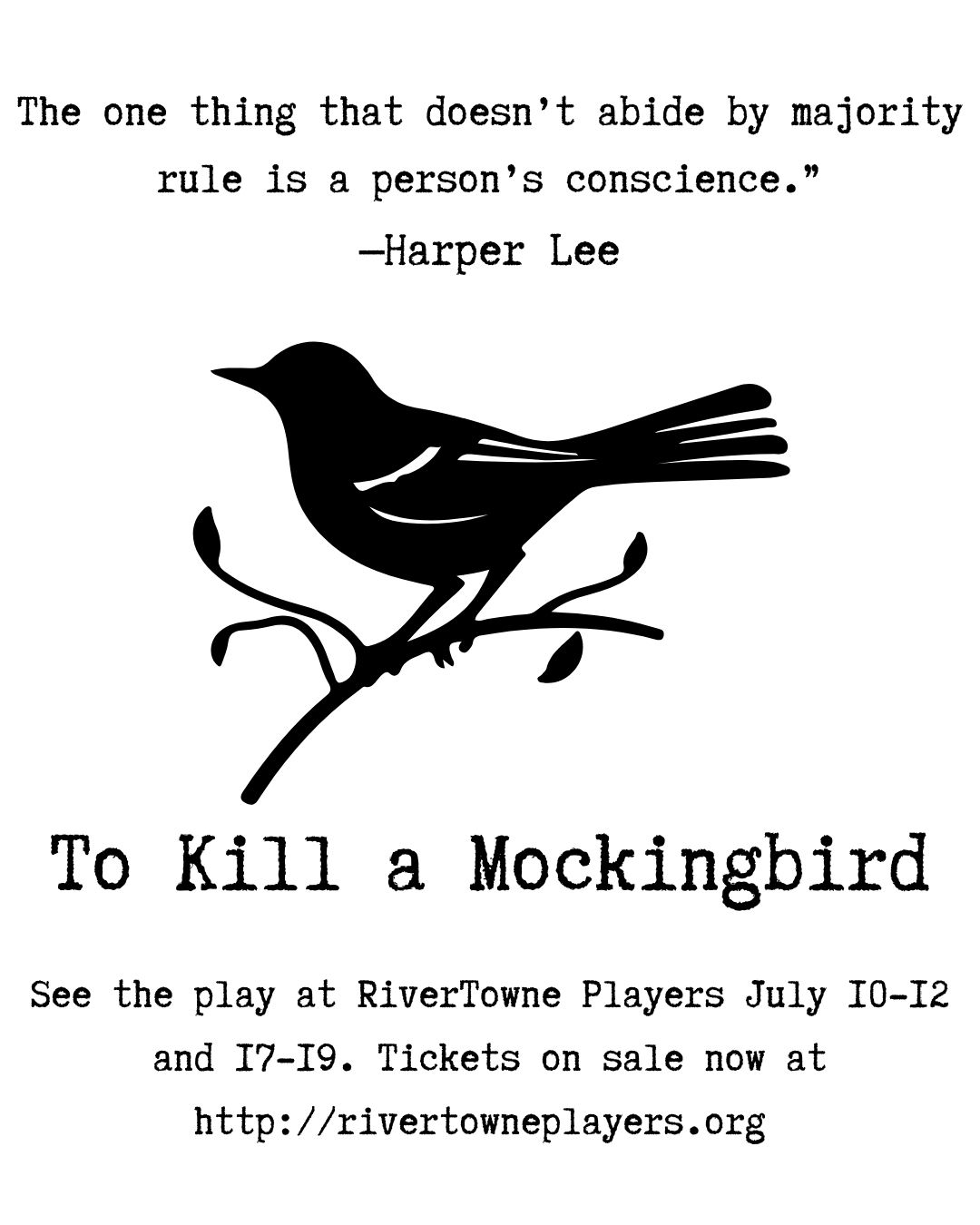
The thing I have learned from playing Miss Maudie in To Kill a Mockingbird in our local theatre production is that this journey is one I can’t just take in my own shoes. As a white Southern woman, I have to look past my own sphere into others’ worlds. I have to not only see other people for what they are but to feel it as best I can.
This nearly 100-year-old play remains important to this day because our nation continues to a journey toward enlightenment and living together. Sometimes we go forward in this journey. Sometimes we take a step back. But I believe eventually we will reach that light, and maybe we will find a really fun stickball game going on under it. A game everyone plays together./
 If you’ve ever read Victor Hugo’s The Hunchback of Notre Dame, you know it’s full of bitter truths. That love has no reason. That mankind is cruel. That wealth and status are merciless and religion can be flat out wrong. Of course, most of us haven’t actually read the masterpiece. At best, we’ve seen a movie adaptation. At worst, however, we’ve heard the music of Disney’s adaptation at some point.
