Today’s fortune is much too long to be a proper poem title, and maybe that’s why I had to give it a bit more thought. I know it refers to war, but my mind went to one of those merry-go-round things on a playground when I thought of revolutions. Nope, despair ain’t gonna turn one of those around. You definitely have to have hope backing you up, specifically hope that if you spend a bunch of energy getting it going good, you can then hop on and flop on your back and enjoy the ride.
So that’s where “Spin Cycle” came from. I wrote it in a sort of ghazal format. I’m still not sure I’m writing ghazals correctly. There are a lot of rules, and if I didn’t follow all of them, this poem is five couplets with a weird rhyme scheme.
Enjoy!
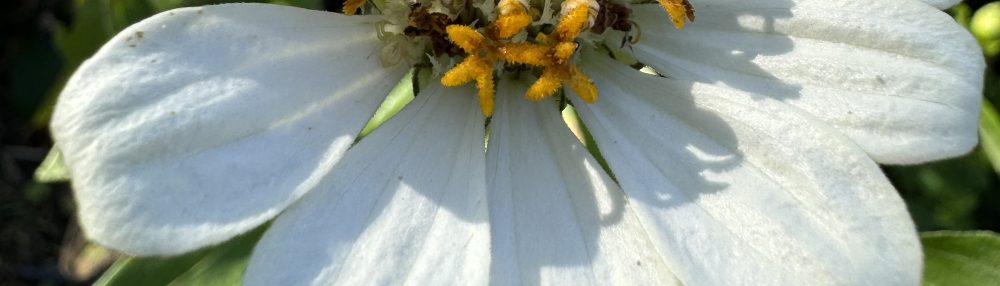
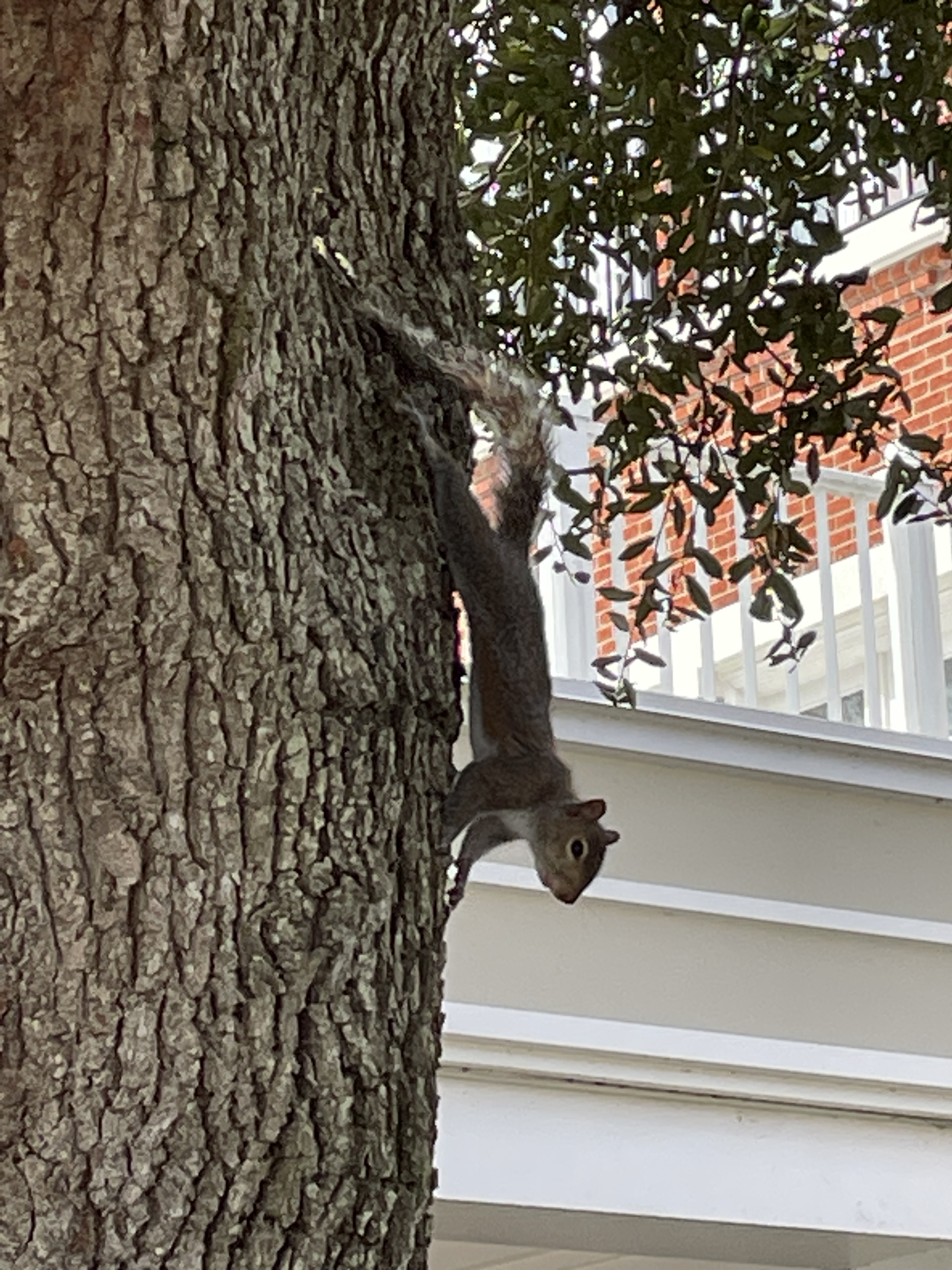
Photo and poem copyright 2024 Michelle Garren-Flye
It is hope, not despair, which makes successful revolutions.

Spin Cycle
By Michelle Garren-Flye

I’ll spin around, right round, I won’t lose heart;
Spin right back to the start and never lose heart.

It’s hope that keeps me going, you see,
around in a circle, refusing to lose heart.

Despair drags me down, right to the ground,
but hope lifts me up, won’t let me lose heart.

Come spin with me on this cycle of life;
take my hands, remember, you can’t lose heart.

I’ll spin so fast, my feet will leave earth,
fly away, leave it all behind, my lost heart.
Today I’m remembering my mother. She died one year ago. Throughout this year, I have had moments when I wanted to talk to her more than anything else in the world. And knew I couldn’t.
Maybe that’s where this poem came from.
At any rate, I’m sure it’s not just me. (Although some of you may not write ghazals about it. Or attempt to. I’m still struggling with this form!)
Hug someone you love today.
Oh.
By Michelle Garren-Flye

I wait for the rhyme to come but, oh, pain?
The rhythm runs through my thumbs, oh pain!

Sometimes it all feels right—no strain—
and others it’s nothing but, oh, pain.

Some might seek comfort in cocaine
but that will not shelter me from…oh. Pain.

Your beauty I have come to know, fain
would I reject its attraction, oh Pain.

My last refrain is your domain;
rest, you’ll fly in my love, oh pain.
Photo and text copyright 2024 Michelle Garren-Flye
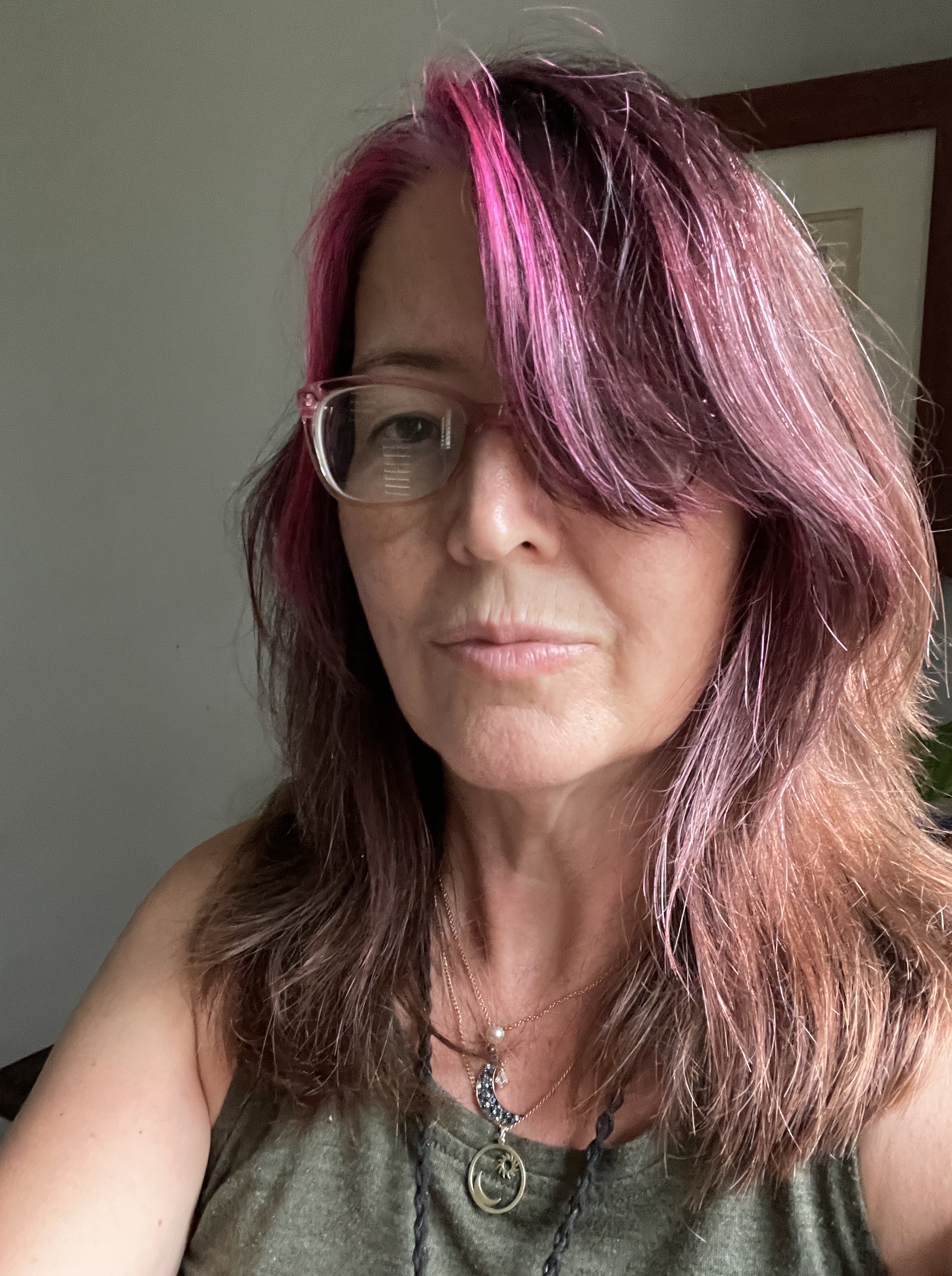
Self Portrait in 30 Years
By Michelle Garren-Flye

She sits on her porch as people go past,
taking notice of what they bring into her past.

Little bits of their lives that pepper the now…
a tired mother…a crying child…now it’s all past.

Her son mows the lawn now every two weeks.
She likes it best when one week has passed,

when the grasses breathe rustles and chirps
echoing in her heart like songs from the past.

Those days when everything hurt so much—
if only she’d grasped that one day they’d be past.

Her daughter brings groceries, unpacks them inside:
“mom, come in, the summer’s heat is long past.

You’ll catch cold out there in the autumn breeze.
What keeps you outside when supper time is past?”

She smiles and takes her daughter’s dear hand,
hopes she’ll never know this longing for what’s past.

She could have dreamed up a magic spell back then
and stopped precious time before it had passed:

when she was a happy, tired mother of three…
now a lonely woman thinking only of the past.

She searches the stars for Orion’s sword belt,
Longs to fly to their light, leave this ache in the past.
Congratulations, it’s a ghazal (pronounced “guzzle” not “gu-ZAHL”, much to my disappointment).
Ghazals are hard to write due to their rhyme scheme, which involves repeating the same rhyme over and over. It can sound monotonous or forced. I’m just getting started playing with ghazals, so if it sounds monotonous or forced, I apologize.
The inspiration for this poem actually comes from a house. I used to walk by this house and see a little, old lady sitting on the front porch. I often wondered what her story was. I waved at her a few times, but before I got the nerve to stop and speak to her, I saw an ambulance there in the middle of the night. And then the little, old lady was gone.
I have no idea what happened to her, but her house is going through a major renovation. The porch is still there, though. I like to think she was lucky enough to spend her last days sitting on her front porch, maybe thinking of her loving children and eventually slipping away into her memories of past glories and loves.
Maybe that will be me someday. Because even if it’s painful to remember past sweet memories, it’s definitely better than not having them.
If you follow my writing at all, you know I am fascinated by different styles of poetry. I’ve written haiku, sonnets, villanelle and am now tackling the dreaded ghazal. I’ve often said that if I have writer’s block, I will write haiku to break it.
So when one of my favorite e-newsletters arrived in my mailbox featuring an article about Oulipo, an organization of French novelists and poets, I was intrigued. These writers believe writing with certain constraints actually inspires creativity. For example, very restrictive forms of poetry as far as rhyme and/or length and even more daring constraints on works of fiction. Like writing an entire novel without using the letter “e”. Some of these works have been translated from French to English…also without using the letter “e”, if you can believe that.
What would it be about restricting yourself that actually inspires creativity? I can’t answer this, but I know that historically adversity can lead to great works of art. The Renaissance, for instance, was conceived during the darkness of the Bubonic Plague. Amazing works of art resulted from the pain of the Aids epidemic. Wars have always inspired great art. And the Covid-19 lockdown released a flurry of works of art, literature, and music that we are only beginning to appreciate.
Is it because we as humans have to hope that adversity creates great work? And following that, do we as artists create artificial constraints on our work just so we can burst out of it? Does restriction force something else out of us? Or is writing a sentence without the letter “e” just silly? (Or: Is it silly to try to show our thoughts without using a common symbol?)
I can only really answer to what works for me (and it’s not not using the letter “e”). Although I don’t totally agree with Robert Frost that “Writing free verse is like playing tennis with the net down”, I do believe that I write good sonnets…and haiku…and villanelle. Not sure about ghazal yet. What do you think?
Star Falls
By Michelle Garren-Flye
Recite poetry in a husky voice—I hear your calls!
Tell me the story of the world and the star that falls.
How is it okay to whisper it all in my ear?
Count every moment from now to when the star falls.
It won’t matter anyway, I won’t let myself care.
I’ll run away—I swear I will—run ‘til that star falls.
But wait!, you say, are you sure that’s really okay?
The moments don’t pause, though, no, not until the star falls.
You’re silent at last, peace surrounds me and I will stay.
Last chance to wish on my whisper (sun’s rising!)…and star falls.


 BREATHE: Michelle Garren-Flye